What Is Light Demolition? A Guide for Fort Wayne Homeowners
Light demolition covers removal of small, non-structural items such as sheds, decks, fences, hot tubs, above-ground pools, and interior non-load-bearing walls. It differs from full structural demolition because it does not touch a building's frame or foundation. Fort Wayne and Allen County may still require a permit depending on the structure involved, and 316 Removal handles both the teardown and the debris hauling in a single visit.
A Fort Wayne homeowner staring down an old shed, a rotting deck, or a hot tub nobody uses anymore faces a common renovation hurdle: getting the structure out before new work can begin. Light demolition Fort Wayne IN projects solve exactly this problem, covering smaller-scale teardown work that clears space without the cost or complexity of full structural demolition.
Confusion often sets in at the planning stage. Homeowners are not always sure whether a project counts as light demo, whether a permit applies, or which company handles the job. Renovation timelines slip when this step gets misjudged, since a structure left standing can hold up framing crews, landscapers, or inspectors waiting to sign off on the next phase. This guide breaks down what light demolition includes, what falls outside its scope, what the permit picture looks like in Fort Wayne, and what the process looks like from the first call to hauled-away debris.
What Does Light Demolition Include?
Light demolition covers the removal of smaller structures and non-load-bearing elements around a property. It sits between simple junk hauling and full structural demolition, since the work requires more than loading debris onto a truck but stops short of the engineering, permitting, and heavy equipment that a commercial teardown demands. These light demolition services in Fort Wayne typically fall into three categories: exterior structures, interior demolition, and specialty structures. Each category involves a different set of tools and safety considerations, but all three share the same end goal: clearing a defined space so a renovation, landscaping project, or property sale can move forward.
Exterior Structures
Exterior teardown work makes up the bulk of light demolition requests in the Fort Wayne area, largely because outdoor structures age faster than the homes they sit next to. Years of Indiana weather, freeze-thaw cycles, and general wear leave sheds, decks, and fences past the point of repair long before the rest of a property needs attention. Common exterior projects include:
• Shed removal Fort Wayne homeowners request most often before building a new storage unit, installing a pool, or simply clearing a backyard for a fresh layout
• Garages and carports that have deteriorated beyond repair or no longer fit a homeowner's needs
• Fence removal along property lines being redesigned, replaced, or relocated
• Deck removal Fort Wayne IN projects, along with pergolas and patio structures ahead of a rebuild or a full backyard overhaul
In most cases, these structures can be disassembled and hauled away within a matter of hours, especially when access to the property is clear and the structure was not built with unusually heavy materials such as poured concrete footings.
Interior Demolition
Interior demolition Fort Wayne projects focus on clearing space inside a home without touching the structural frame that holds the building up. This category tends to come up during kitchen and bathroom remodels, basement finishing projects, and floor plan changes where a homeowner wants to open up a room or remove an outdated feature. Common examples include:
• Non-load-bearing wall removal to open a floor plan or combine two smaller rooms
• Drop ceiling teardown in basements or additions ahead of a modern renovation
• Cabinet, flooring, and drywall removal ahead of a full remodel
Interior work carries its own set of considerations, since dust containment, electrical outlets, and plumbing lines running through a wall all need to be checked before anything comes down. A short walk-through before the project begins catches these details early.
Specialty Structures
Certain backyard fixtures fall under light demolition as well, since they require disassembly and hauling rather than structural engineering. These projects are common ahead of a landscaping overhaul or a backyard renovation:
• Hot tub and spa removal, including draining, disassembly, and hauling of the shell and surrounding decking
• Above-ground pool takedown, including the liner, frame, and any surrounding deck structure
Both types of projects tend to involve more coordination than a simple shed teardown, since draining and disposal of water and materials need to happen safely before the structure itself comes apart. A crew familiar with local disposal rules for pool and spa materials keeps this part of the project moving without unnecessary delays or extra trips to a specialty disposal site.
What Is NOT Considered Light Demolition?
Not every teardown project qualifies as light demo, and drawing this line matters before scheduling a crew or requesting a quote. Several categories fall outside this scope and require a licensed general contractor or a specialized abatement crew instead:
• Structural or load-bearing wall removal, which requires engineering review to confirm the rest of the building remains supported
• Foundation work or full building teardown, which falls under commercial or heavy demolition permitting
• Asbestos, lead paint, or other hazmat abatement, which requires certified handling under state and federal regulations
Projects in these categories involve engineering review, specialized permitting, and certified handling that fall outside a standard demolition and hauling scope. Homes built before the 1980s in particular sometimes carry hazardous materials in insulation, tile adhesive, or old paint layers, which is worth flagging early if an interior project touches older construction. A quick assessment during the on-site walk-through clarifies which category a project falls into before any work begins, which prevents a homeowner from scheduling the wrong type of crew for the job. When a project turns out to need a general contractor instead, knowing that early saves both time and the cost of a second visit.
Do You Need a Permit for Light Demolition in Fort Wayne?
Permit requirements depend on the size and type of structure coming down. Small, freestanding sheds and fences often fall below the threshold that triggers a permit, while larger structures such as garages, decks attached to the home, or any interior wall removal may require sign-off from the city before work can begin.
Permit requirements are also handled at the local level through Fort Wayne and Allen County, and the specific rules can shift depending on zoning, historic district status, and whether the property sits inside city limits or unincorporated county land. Confirming current rules before a project begins avoids delays once demo day arrives, particularly for larger jobs scheduled around a tight renovation timeline.
An important distinction applies here: a demolition contractor can advise on whether a permit is likely needed and can pull permits on a homeowner's behalf in many cases, but final responsibility for permit compliance rests with the property owner. Skipping this step on a project that required one can create complications later, especially when a home eventually goes up for sale and past permit history gets reviewed. Building this check into the early planning stage, rather than after demo day, keeps a renovation timeline on track and avoids unexpected stop-work orders from the city.
How Does the Light Demolition Process Work?
The light demolition process follows a consistent sequence from first contact to final cleanup, regardless of whether the project involves a small shed or a full interior renovation. Understanding each stage helps set expectations for timeline and cost before committing to a project date.
Assessment and Quote
An on-site walk-through comes first. A crew member reviews the structure, confirms scope, checks for utility lines, buried services, or other hazards, and provides pricing before any work is scheduled. This step also catches details that change the project, such as an electrical line running through a shed wall or a deck attached directly to the home's framing. Fort Wayne homeowners ready to move forward can request a demolition quote once the scope has been confirmed, which locks in pricing before the crew arrives.
Demo Day
On the scheduled day, the crew arrives with the equipment needed for the job and brings the structure down safely and efficiently. Sheds, decks, fences, and interior walls typically come down within a single visit for most residential-scale projects, though larger jobs involving multiple structures or extensive interior work may run longer. Safety measures such as dust control for interior work and careful staging for exterior teardown keep the surrounding property protected throughout the process.
Debris Hauling Included
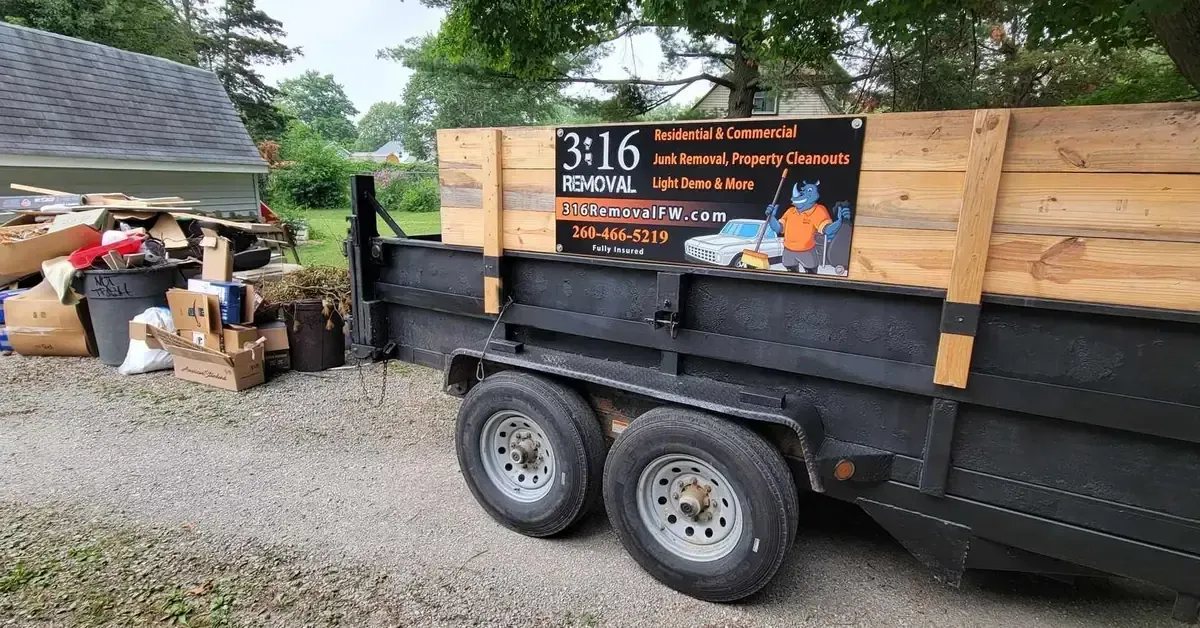
Debris removal is built into the scope rather than billed as a separate trip. Once the structure is down, all resulting material, including wood, metal, drywall, shingles, and old fixtures, gets hauled away in the same visit. The site is left clean and ready for the next phase of a renovation, with no second appointment required and no leftover pile of debris sitting in a driveway or backyard waiting on a separate hauling company.
How Much Does Light Demolition Cost in Fort Wayne?
Pricing for light demolition depends on several factors that vary from one property to the next:
• Size of the structure coming down, since a small shed costs far less than a full deck or garage
• Materials involved, since some require special disposal handling or additional labor to break down
• Total volume of debris generated by the project, which affects hauling and disposal costs
• Site access, since a structure in a hard-to-reach backyard may take longer to clear than one visible from the street
Shed removal generally costs less than a full deck takedown, since decks tend to involve more material and, in some cases, attached structural elements that require extra care during removal. Interior projects vary widely depending on square footage and whether electrical or plumbing work needs to be addressed first. Because pricing varies by project, an on-site quote provides the most accurate number rather than a flat estimate pulled from a general price list.
Homeowners researching permit fees or local code requirements as part of budgeting a project can check current information through the City of Fort Wayne official site, which lists current permit fee schedules and contact information for the building department.
When Should You Use a Junk Removal Company for Demolition?
Smaller-scale teardown projects are often a better fit for a junk removal in Fort Wayne, IN company than for a licensed general contractor, particularly when the work does not involve structural changes to a building. General contractors are built for larger-scope projects with permitting, subcontractor coordination, and inspection requirements, which adds cost and timeline that a small shed or fence removal simply does not need.
A few signs point toward this route:
• The structure is smaller in scale and does not require a licensed general contractor or engineering sign-off
• Debris removal is already part of the project scope, rather than a separate line item to arrange
• Speed and cleanup matter as much as the teardown itself, since many homeowners need the space cleared quickly for a landscaper or new build crew
Combining demolition and hauling into a single service cuts down on the coordination normally needed between a demo crew and a separate hauling company, which keeps smaller renovation projects moving on schedule. It also tends to reduce total cost, since one crew handling both the teardown and the debris removal avoids the overlap and scheduling gaps that come with hiring two separate vendors.
Timing also plays a role in scheduling light demolition work in Fort Wayne. Spring and early summer tend to bring the highest demand, since many homeowners plan renovations, deck rebuilds, and backyard projects around warmer weather. Booking a teardown ahead of peak season, or during the fall and winter months when crews have more open availability, often means a shorter wait between the initial quote and demo day.
Frequently Asked Questions
What is considered light demolition?
Light demolition covers removal of non-structural items and small standalone structures, including sheds, fences, decks, hot tubs, above-ground pools, and interior walls that do not bear the weight of the building above them. The category excludes anything touching a home's structural frame or foundation, which falls under full demolition instead.
Do you need a permit for light demolition in Indiana?
Permit requirements in Indiana depend on the structure involved and local zoning rules. Small freestanding sheds and fences often do not require a permit, while attached decks, garages, and interior wall removal frequently do. Fort Wayne and Allen County set the specific local thresholds, and confirming requirements before scheduling a project avoids delays.
How much does light demolition cost?
Cost depends on the size of the structure, the materials involved, and the total volume of debris generated. A small shed removal typically costs less than a full deck or garage takedown. An on-site quote gives the most accurate number, since pricing varies significantly from one property to the next.
Can a junk removal company do demolition work?
Yes, for projects that fall under light demolition. A junk removal and demolition company can handle sheds, decks, fences, hot tubs, and non-structural interior walls, along with hauling away the resulting debris in the same visit. Projects involving load-bearing walls, foundations, or hazmat materials require a licensed general contractor or a certified abatement crew instead.
Ready to Clear Space for the Next Project?
Light demolition covers the removal of sheds, decks, fences, interior non-load-bearing walls, hot tubs, and above-ground pools, work that clears space for a renovation without the scope of full structural demolition. Permit requirements vary by structure and project size, and confirming those details early keeps a project on schedule. A clear on-site assessment sets accurate pricing and timeline expectations before demo day arrives.
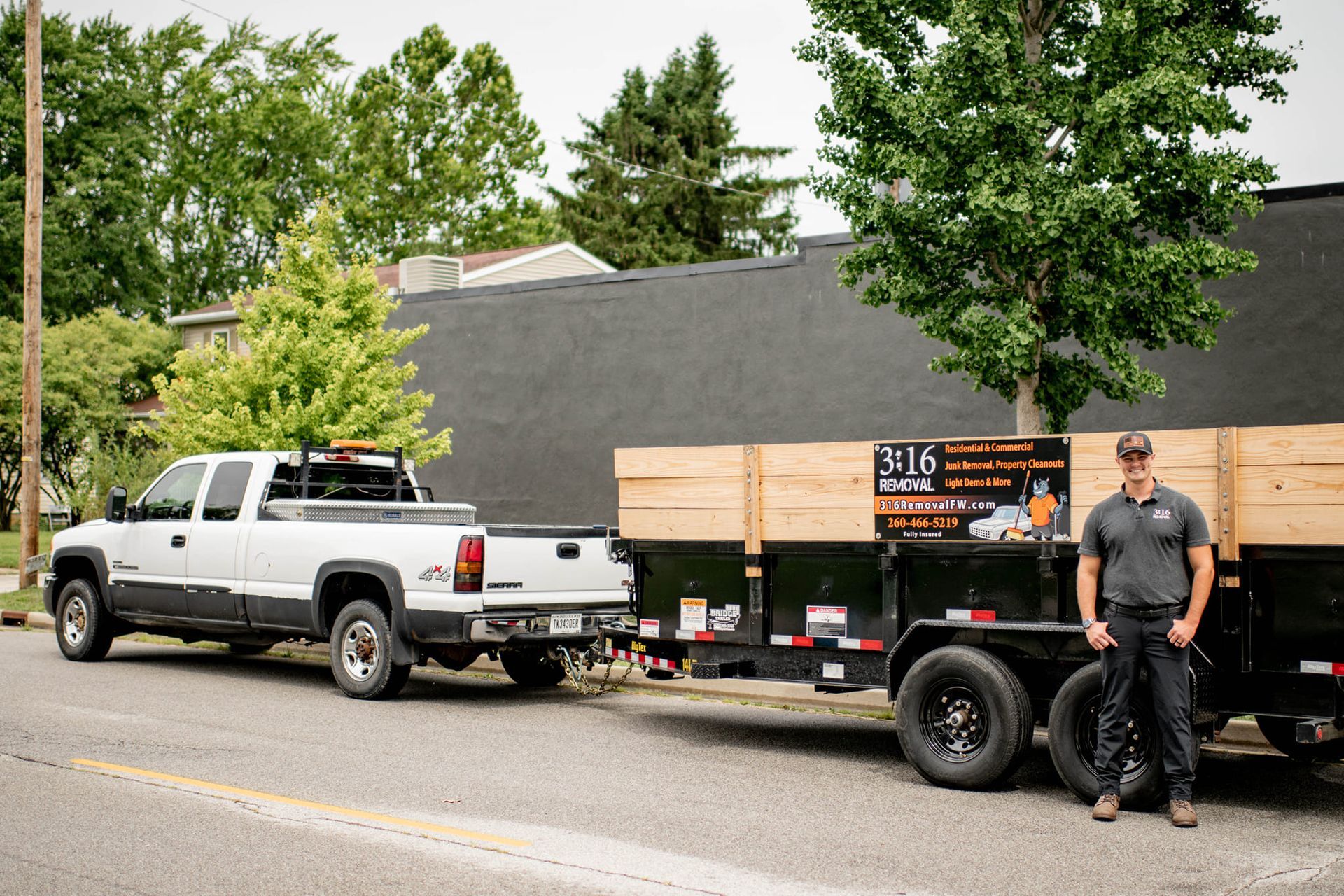
316 Removal handles both the teardown and the debris hauling in a single visit, so Fort Wayne homeowners are not left coordinating between separate crews or waiting on a second trip to clear the site.